23 October 2026
Inside a Pie Shop: Fresh Flavors Worth Discovering
Presented by @tysonbfqm160
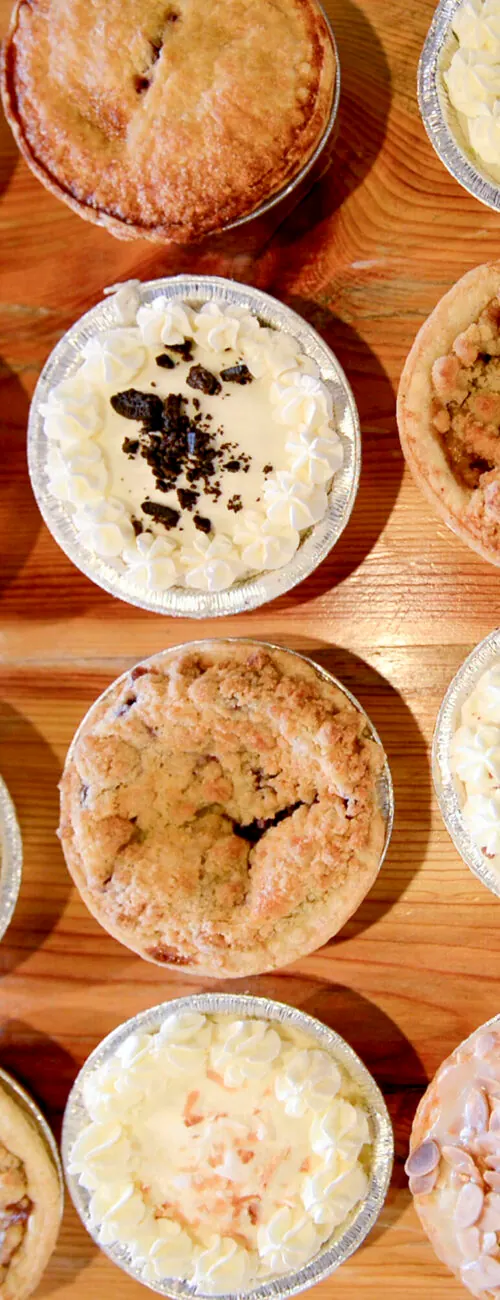
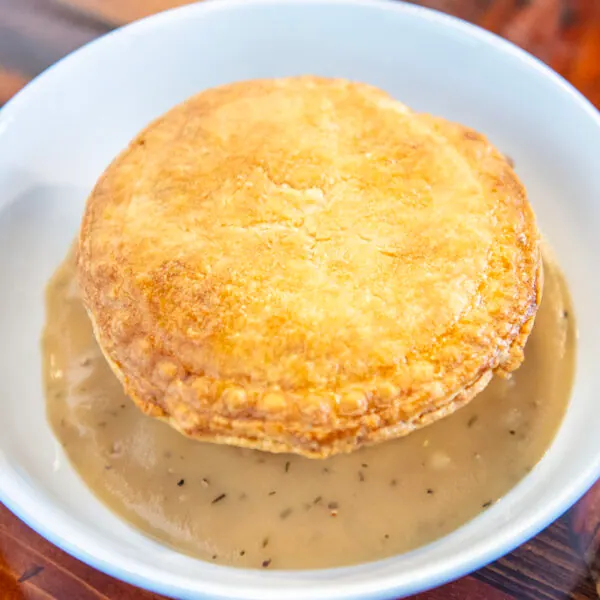

A good pie shop reveals itself before you ever reach the counter. You smell butter first, then warm fruit, toasted sugar, maybe black pepper or rosemary if the bakers lean savory. The display case usually does the rest. There is the glossy cherry pie with its deep red filling set cleanly beneath a lattice. There is the lemon pie with a surface so bright it almost looks lit from within. Nearby, a chicken pot pie waits under bronzed pastry, holding its heat like a secret.
People often think of pie as a holiday dessert or a nostalgic treat, something tied to one or two family recipes and a few predictable flavors. Step into a serious pie shop, though, and that narrow view falls apart. The best shops treat pie as a broad craft, one that can carry fruit, custard, chocolate, nuts, vegetables, meat, herbs, and even regional ingredients that barely appear in mainstream bakeries. What makes the experience memorable is not just variety. It is the balance between comfort and surprise, the way a familiar format can hold flavors that feel both grounded and new.
After enough mornings spent in bakeries and enough afternoons watching a pastry team race from prep to service, one thing becomes clear: a pie shop is not only selling slices. It is selling texture, timing, and judgment. A baker has to know when apples need more starch and when they need less, when a crust should shatter and when it should bend, when a savory filling needs acid to keep it from tasting flat. Those decisions show up in every bite, even if the customer never sees the work behind them.
What makes a pie shop worth seeking out
There is a difference between a bakery that happens to sell pie and a true pie shop. In a dedicated shop, pie is not an afterthought tucked between cookies and muffins. It shapes the workflow, the equipment, the pace of the day, and the menu itself. Bakers think in rounds, shells, blind bakes, chilled dough, fruit maceration, custard setting times, and reheating windows for savory options.
That focus matters because pie is less forgiving than it looks. Cakes can be trimmed, frosted, and decorated to cover small flaws. Cookies can vary a little in size without much consequence. Pie announces every mistake. Underbake a bottom crust and customers notice the gumminess right away. Push a custard too far and it weeps. Use underripe peaches and the filling tastes thin and forgettable, no https://kylergviy561.dovetailscope.com/posts/pie-shop-essentials-every-dessert-business-should-know matter how pretty the top crust looks.
The shops worth discovering tend to have a point of view. Some work seasonally and change the menu every few weeks. Others build their reputation on a few signature pies, refining them over years. The common thread is intention. You can sense when a shop knows why each pie belongs in the case.
A strong pie shop usually gets four things right:
- The crust has character, whether flaky, crumbly, tender, or crisp.
- The filling tastes of its main ingredient rather than just sugar.
- The slice holds together well enough to serve cleanly.
- The menu balances classics with a few risks.
- Savory and sweet pies, if both are offered, receive equal care.
That last point is harder than it sounds. Many places do excellent fruit pies but treat savory options like a side business. The best shops understand that a mushroom hand pie, a steak and ale pie, or a roasted vegetable galette demands the same discipline as a blackberry crumble pie. Fat behaves differently, moisture migrates faster, and seasoning has to be more exact because customers are comparing the result not just to pastries, but to full meals.
The crust tells you almost everything
If you want to judge a pie shop quickly, watch the crust. It is the clearest marker of standards in the kitchen. Crust is where labor hides. Laminated puff pastry gets most of the glamour in pastry cases, but traditional pie dough can be just as technical. It needs cold fat, light handling, enough liquid to bind, enough rest to relax the gluten, and a bake hot enough to set layers before the butter fully melts away.
A well-made fruit pie crust should usually bring some resistance at first bite, then break into flakes rather than compress into a tough sheet. A custard pie may call for a slightly sturdier shell. A savory pie often benefits from deeper browning and a touch more salt. None of this is accidental.
One of the clearest signs of a thoughtful pie shop is how it handles the bottom crust. This is where weaker operations stumble. Fruit fillings release steam and juice, and that moisture heads straight down. If the dough is not properly baked or protected, the bottom turns pasty. There are several ways bakers manage this, from blind baking to baking on stone or steel to adjusting thickener levels in the filling. Customers may not know which technique was used, but they absolutely notice the result.
Some shops aim for an all-butter crust with an almost brittle fragility. Others use a mix of butter and shortening for better handling and more reliable flake. Purists will argue the point, but experience softens hard rules. In a humid kitchen, on a high-volume day, a blended fat can outperform butter alone. What matters is not ideology. It is whether the crust suits the pie.
Fruit pies are where seasons show up honestly
Fruit pie is often the first thing people scan for in a display case, and for good reason. It is where ingredient quality is hardest to fake. If berries are dull, the pie is dull. If apples are mealy, no spice blend can rescue them. If peaches are beautiful but watery, the baker has to compensate carefully or the slice will collapse.
The best fruit pies taste like the season they belong to. Spring may bring strawberry rhubarb with a filling that lands between tart and floral. Summer opens the door to peach, blueberry, blackberry, sour cherry, and combinations that use herbs sparingly, basil with strawberry, thyme with plum, maybe a little lavender if the hand is disciplined. Autumn usually belongs to apples, pears, cranberries, and deeper spice. Winter, contrary to what many customers expect, can be excellent for pie shops because citrus, stored apples, and nuts all perform beautifully.
Rhubarb is a good example of what separates a merely decent pie from a memorable one. Rhubarb has a sharpness that can turn one-dimensional if buried under too much sugar. A good baker preserves that edge. The filling should taste lively, not blunted. The same principle applies to cherry. Too many shops thicken cherry pie into a sticky red mass that tastes more like candy than fruit. The better version still has brightness, still hints at sourness, and leaves the palate wanting another bite.
Apples deserve their own respect. They are common, which means mistakes stand out. A thoughtful pie shop often blends varieties because no single apple does everything well. One might hold shape, another might offer fragrance, a third might contribute tartness. Spice is another area where restraint wins. Cinnamon should support, not dominate. Nutmeg, clove, cardamom, and ginger can add depth, but once the spice cabinet takes over, the pie loses its core identity.
Cream, custard, and chocolate pies demand precision
Fruit pies reward instinct and adaptation. Custard and cream pies punish sloppiness. This is where pastry discipline becomes visible in a different way. Banana cream, coconut cream, chocolate silk, key lime, buttermilk, chess, and lemon meringue all rely on balance, texture, and temperature control.
Take lemon meringue. Customers tend to focus on the dramatic top, but the real challenge lies beneath it. The lemon filling needs enough acidity to stay sharp, enough sugar to remain pleasant, enough thickening to slice cleanly, and enough smoothness to avoid any chalky feel. Then the meringue has to be stable without becoming rubbery or overly sweet. A beautiful tall swirl means nothing if it beads moisture an hour later.
Chocolate pie sounds easy until you taste the difference between average and excellent. In many shops, chocolate pie is simply rich. In the best ones, it has definition. Dark cocoa or real chocolate brings bitterness and aroma, cream rounds it out, salt wakes it up, and the crust keeps the whole thing from becoming heavy. One small adjustment, like using a pinch more salt or serving the pie a few degrees warmer, can change the experience completely.
Custard pies reveal another kind of confidence. A good buttermilk pie or chess pie does not scream for attention in the case. It looks modest. That simplicity is deceptive. Custards need exact baking. Pull them too early and the center runs. Too late and the texture turns grainy or dense. A pie shop that executes these quietly difficult classics is usually a shop that takes fundamentals seriously.
Savory pies are often the best reason to return
Many customers first walk into a pie shop for dessert and come back for lunch. That pattern makes sense. Savory pies can turn a bakery into a regular stop rather than an occasional indulgence. They also show whether the kitchen understands flavor beyond sweetness.
A well-made savory pie needs clear structure. The filling cannot be soupy. The protein, if used, should be seasoned before it ever meets the crust. Vegetables need to be cooked enough to shed excess moisture but not so much that they lose all personality. Herbs should feel integrated rather than sprinkled in as an afterthought.
Chicken pot pie is still the standard by which many shops are judged. It sounds humble, yet it asks for a lot. The sauce has to be rich but not gluey. Chicken should stay tender. Carrots, peas, onions, celery, and perhaps leeks each need their own texture. The top crust has to bake fully before the filling overcooks. When it is done right, the pie feels generous rather than heavy.
Then there are the more modern savory combinations. Roasted mushrooms with thyme and gruyere. Curried vegetables tucked into a hand pie. Braised beef with stout. Spinach, feta, and caramelized onion in a crisp shell. These can be excellent, but only if the shop understands moderation. Big flavors need editing. Too much cheese and the pie becomes greasy. Too much wet filling and the crust loses. Too much spice and every bite tastes the same.
One small pie shop I visited years ago built a loyal lunch crowd around a rotating hand pie menu. The flavors changed weekly, but the discipline never did. Even the bolder options, lamb with harissa, sweet potato with sage, smoked trout with dill, stayed anchored by texture and seasoning. That is harder than it looks. Trendy fillings attract attention once. Consistent execution brings people back.
Fresh flavors are not always the most unusual ones
When people hear “fresh flavors,” they often picture novelty, maybe something flashy like miso caramel apple or yuzu cream with toasted sesame. Those pies can be wonderful, and some shops handle them beautifully. Still, freshness is not the same as eccentricity.
Sometimes freshness comes from clarity. A blueberry pie that tastes unmistakably of blueberry, with enough lemon to sharpen the fruit and enough spice discipline to let the berries lead, feels fresh in the deepest sense. So does a peach pie that tastes of ripe summer fruit rather than vanilla extract and sugar. The same is true on the savory side. A tomato pie with sharp cheese, basil, and a mustard note can feel more vivid than any elaborate fusion concept if the tomatoes are excellent and the crust is right.
Shops that chase novelty too aggressively can tire their own menu. Not every ingredient belongs in a pie shell. High-water fillings can destabilize texture. Delicate aromatics disappear under baking. Some combinations read better on a menu board than on a fork. A professional pie shop learns that discovery works best when it stays grounded in the strengths of the form.
The most compelling flavor development tends to happen through small, intelligent moves. A brown butter note in pecan pie. Black pepper in strawberry filling. A layer of frangipane under stone fruit. Cheddar folded into apple crust. Malt in chocolate cream. These choices create depth without turning the pie into a puzzle.
How to read a display case like a regular
Customers often feel pressured to choose quickly, especially when the line is moving and everything looks good. A little observation helps. You do not need insider knowledge, just a sense of what signals care.
Notice whether the fruit pies look distinct from one another. If every filling has the same texture and sheen, the shop may be relying on one formula. Look at the crust color. Pale, matte pastry can suggest underbaking, though some styles are intentionally lighter. Check whether meringue looks freshly torched or tired and damp. If savory pies are on offer, see whether they appear as thoughtfully finished as the sweet ones.
When staff know the menu well, ask what changed this week and what is selling fastest. Their answer often tells you whether the shop works seasonally or simply repeats a fixed repertoire. A team that can explain why the plum pie is only around for a short window, or why the sweet corn and tomato hand pie is best warm, usually reflects a kitchen with strong internal communication.
If you are visiting a pie shop for the first time, these are often smart starting points:
- one signature classic, such as apple, cherry, or chocolate cream
- one seasonal fruit pie
- one savory pie, if available
- one texture-driven option, like pecan, chess, or coconut cream
- coffee or tea, because pie reveals itself differently with a drink beside it
That kind of order gives you a broad read on the shop without overcomplicating the decision. It also exposes weak spots quickly. Some bakeries shine with fruit but miss on custards. Others do astonishing savory pies and middling sweets. The pattern becomes clear.
Why slice service matters as much as baking
Pie is not finished when it comes out of the oven. Service changes the experience more than most customers realize. Some pies should be served chilled, some cool, some room temperature, some warm, and a few truly shine only after a short rest from reheating. A knowledgeable pie shop understands those windows.
Apple pie served too hot can fall apart and taste oddly one-note because the filling has not had time to settle on the palate. Chocolate cream served too cold can mute its flavor. Savory pies that sit too long in a warming case lose contrast between crisp shell and moist center. Good staff adjust for that. They know when to reheat and when to wait.
Portioning matters too. Thick slices look generous in the case, but pie that is too tall can lose proportion, especially with rich fillings. There is judgment in a well-cut slice. You want enough depth to appreciate the layers, but not so much that one serving feels like a dare.
Pairings deserve more attention than they usually get. Black coffee with pecan pie works because bitterness keeps the sweetness in check. Unsweetened tea can sharpen fruit pies. A savory pie with a simple salad or tart pickle can turn pastry into a balanced meal. These are small choices, yet they shape whether a customer leaves feeling delighted or overloaded.
The local pie shop as a marker of craft
A strong pie shop often becomes more than a retail business. It turns into a neighborhood rhythm. People stop in for a hand pie before work, order whole pies for birthdays, argue about whether the sour cherry beats the blackberry, and watch for the first appearance of a seasonal favorite. That kind of loyalty is not built on nostalgia alone. It is built on repeated proof.
From a craft perspective, pie shops matter because they preserve a category that can otherwise get flattened into cliché. Pie, at its best, is not just rustic comfort. It is one of the clearest tests of baking intelligence. It asks for technical control without showiness. It rewards attention to ingredients, seasonality, and serving. It can be humble on the surface while hiding real sophistication.
The next time you step into a pie shop, look past the obvious prettiness of the case. Think about the crust color, the set of a custard, the confidence of the flavor combinations, the care given to savory options, the way the staff talks about what just came out of the oven. Those details tell you whether you are in front of routine baking or something more thoughtful.
Fresh flavors worth discovering are usually not hiding behind gimmicks. They are sitting in plain view, in a peach pie that tastes truly of peach, in a mushroom hand pie with a crust that stays crisp to the last bite, in a slice of lemon pie balanced so precisely it wakes up your whole palate. A memorable pie shop knows that discovery does not require spectacle. It requires skill, restraint, and enough imagination to make familiar forms feel alive again.
3.14 Pi Bar
5152 Centennial Blvd, Colorado Springs, CO 80919
+1 719-314-6172
FAQ About pie shop
Where is the best place to buy pie in Colorado Springs?
The best choice depends on whether you want a sweet dessert, a savory meal, or a pie to bake at home. 3.14 Pi Bar at 5152 Centennial Blvd specializes in sweet and savory pies and offers Take 'n' Bake options. Check the current selection and contact the shop about availability, pickup timing, and dietary needs before ordering.
Who makes the best pot pies in Colorado Springs, CO?
Preferences vary by filling, crust, and portion size. 3.14 Pi Bar offers hearty savory pot pies alongside its sweet pies. Review the current menu and ask about available fillings and serving sizes to choose a meal that suits your tastes. Specific varieties may change.
Who has the best apple pie in Colorado Springs?
Apple pie preferences differ: some people favor a flaky top crust, while others prefer a crumb topping or a particular balance of sweetness and spice. 3.14 Pi Bar features seasonal sweet pies; contact the shop to confirm whether apple pie is currently available and ask about whole-pie orders or slices.