06 November 2026
Jamaican Food That Brings the Caribbean to Your Table
Presented by @tysonbfqm160
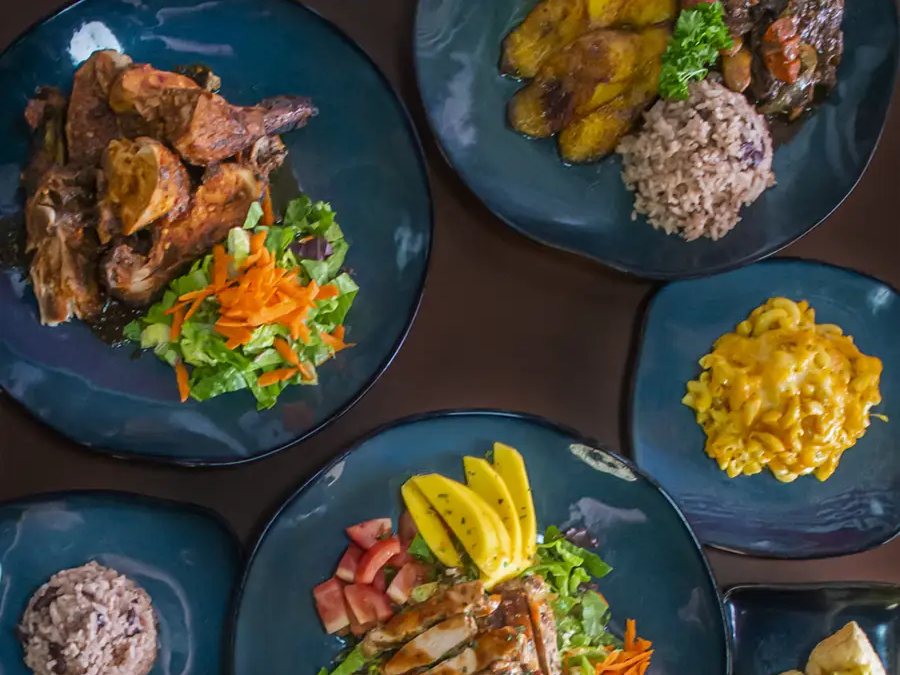
Jamaican food carries a kind of presence that few cuisines manage so effortlessly. It is bold without being careless, deeply seasoned without losing clarity, and rooted in a history you can taste in every bite. The first thing many people notice is the heat, or the perfume of allspice, thyme, scallion, and Scotch bonnet. Stay with it a little longer and the picture gets richer. There is smoke from pimento wood, sweetness from ripe plantain, the earthiness of peas and root vegetables, the tang of escovitch pickling liquid, the slow comfort of soups and stews that seem built for both celebration and recovery.
What makes Jamaican food so compelling at home is that it feels generous. Even when a dish is simple, it rarely tastes spare. Rice and peas can hold its own beside a showstopping main. A bowl of pumpkin soup can taste layered enough to count as a full meal. Fried dumplings, saltfish, and callaloo can turn a kitchen table into something that feels festive before noon. This is food with structure, memory, and appetite behind it.
For cooks outside Jamaica, that appeal can be intimidating at first. Many people assume the flavors are impossible to reproduce without a beach, a drum pan, or a family recipe written nowhere. The reality is more encouraging. A good Jamaican meal depends less on mystery than on balance, restraint, and understanding what each ingredient is doing. Once you learn the grammar of the cuisine, your cooking gets better fast.
The flavor logic behind Jamaican cooking
One reason Jamaican food stands out is that it layers influence without becoming confused. Indigenous ingredients, African cooking traditions, British colonial habits, Indian spices, Chinese techniques, and the wider Caribbean pantry all meet in the same kitchen. That sounds academic on paper, but on the plate it comes through as practicality. Cooks took what was available, used every bit wisely, and built dishes that satisfy both physically and emotionally.
Seasoning is the first pillar. Jamaican cooks season early and with intent. Meat is often rubbed or marinated well before it reaches heat. Green seasoning, made from some combination of scallion, thyme, garlic, ginger, onion, peppers, and herbs, is not an afterthought. It is the foundation. Dry spices matter too, especially allspice, known locally as pimento, along with black pepper, curry powder, nutmeg, cinnamon, and sometimes clove. The point is not to make food taste complicated for its own sake. The point is to make each mouthful complete.
Heat is the second pillar, though not in the crude sense people often expect. Scotch bonnet peppers bring fire, yes, but also fruitiness and floral notes. A well-cooked Jamaican dish does not simply burn. It opens up. Remove the seeds, use the pepper whole and pull it out later, or use a smaller amount, and you still capture the character without overwhelming the dish. That is a useful lesson for home cooks who want authenticity without turning dinner into a dare.
The third pillar is contrast. Crispy fish with sharp escovitch vegetables. Sweet fried plantain against savory oxtail. Tender curry goat with plain white rice or roti to absorb the sauce. Even within a single dish, Jamaican food likes different textures and moods at once. Softness, smoke, brightness, spice, and starch often sit side by side.
Jerk is more than a seasoning blend
Outside the Caribbean, jerk often gets reduced to a label slapped on chicken wings or a bottled marinade. Properly understood, jerk is a method, a profile, and a cooking culture. It is associated most famously with pork and chicken, and it is built on allspice, thyme, Scotch bonnet, scallion, ginger, garlic, and salt, often with soy sauce, brown sugar, cinnamon, nutmeg, and black pepper in modern home versions. The seasoning should be assertive, but the real magic happens during cooking.
Traditional jerk develops over slow heat and smoke, ideally from pimento wood. Few home cooks have access to that setup, but you can still get close. Charcoal grilling with a handful of allspice berries in foil over the coals helps. So does finishing the meat over indirect heat rather than blasting it until dry. In indoor kitchens, a two-stage approach works well: roast or bake until almost done, then broil or grill briefly for charred edges. The result will not perfectly replicate roadside jerk in Jamaica, but it can still be excellent.
The most common mistake I see is overloading the marinade with sugar or acid. Too much sugar scorches before the meat cooks through. Too much lime or vinegar can flatten the fragrance of the spices. Jerk should taste alive, not sticky. Another mistake is under-seasoning the meat itself. A thick chicken thigh or pork shoulder needs enough salt to carry all those aromatics inward. A timid jerk paste produces bland meat wearing a spicy jacket.
Done well, jerk is unforgettable because it keeps moving on the palate. First comes smoke, then herbaceousness, then sweetness, then spice that lingers just long enough to invite the next bite.
The everyday greatness of rice and peas
Anyone who treats rice and peas as background has not eaten a good version. In Jamaica, the dish usually refers to rice cooked with kidney beans or gungo peas, coconut milk, thyme, scallion, garlic, and often a whole Scotch bonnet. It is deeply aromatic, gently rich, and meant to support the rest of the plate while still contributing its own personality.
The quality of the coconut milk matters. Fresh is wonderful if you have it, but a good canned version is entirely respectable. What matters more is proportion. Too much coconut milk can make the rice heavy and greasy. Too little and the dish loses one of its defining notes. You want grains that are separate yet soft, carrying the scent of thyme and coconut without becoming mush.
Cooking the beans and the rice together can work if you know your timing. Many home cooks get more consistent results by using cooked beans and building the rice in the seasoned bean liquid with coconut milk added. That gives you control over texture and avoids the all-too-common problem of split grains sitting in a pot with undercooked centers.
When rice and peas is right, it transforms a meal. It soaks up oxtail gravy, tempers the heat of curry goat, and turns fried fish into something complete. It is also excellent with almost no adornment beyond sliced avocado and a little hot sauce.
Ackee and saltfish, a national dish with nuance
Ackee and saltfish is one of the clearest examples of Jamaican food expressing history through ingredients. Salt cod, preserved for trade and transport, meets ackee, a fruit native to West Africa that became central to Jamaican cooking. The final dish is gentle in color, savory, and surprisingly delicate when handled properly.
Ackee resembles scrambled eggs visually, which misleads people into overworking it. The best ackee and saltfish is light-handed. The saltfish should be soaked and simmered enough to remove excess salt while keeping some structure. Onion, tomato, scallion, thyme, black pepper, and Scotch bonnet build the base. The ackee goes in late and gets folded rather than stirred aggressively. Break it up too much and the dish turns pasty. Crowd it with too many vegetables and you lose its soft, buttery quality.
This is one of those dishes where sourcing shapes the outcome. Fresh ackee is not widely available in many places, and there are important safety considerations with unripe fruit. Canned ackee is the practical choice for most home cooks and can be very good if drained and handled carefully. Rinse gently, keep the heat moderate, and let the flavor of the saltfish lead.
Served with fried dumplings, boiled green bananas, or roasted breadfruit, ackee and saltfish makes a table feel unmistakably Caribbean. It is substantial, but not heavy. That balance is part of its enduring appeal.
Why stews and braises sit at the heart of the cuisine
If jerk gets the spotlight, braised dishes often win loyalty. Oxtail, curry goat, brown stew chicken, and pepper pot soup all show how Jamaican cooking excels at slow transformation. Tough cuts become tender. Spices mellow and deepen. Gravy becomes as important as the protein.
Oxtail is perhaps the most talked-about. A proper Jamaican-style oxtail should have body in the sauce, but not so much thickener that it feels gluey. Browning, whether from deeply searing the meat or using a touch of browning sauce, contributes a distinct dark note. Butter beans are common and welcome, adding creaminess that rounds out the dish. The real key is patience. Oxtail that is rushed stays chewy and disconnected from its sauce. Oxtail that has had time becomes spoon-tender, with gravy that clings to rice in all the right ways.
Curry goat requires a different touch. Jamaican curry powder has its own character, often featuring turmeric, coriander, fenugreek, and allspice, and it tends to be more fragrant than fiercely hot. The traditional move is to “burn” or bloom the curry in oil before adding the meat, which wakes up the spices and removes any raw, dusty taste. Goat benefits from marinating, and it needs enough time on the stove to lose its gaminess without losing identity. If you substitute lamb because goat is unavailable, the result can still be satisfying, but it will taste different, richer and often less distinctive.
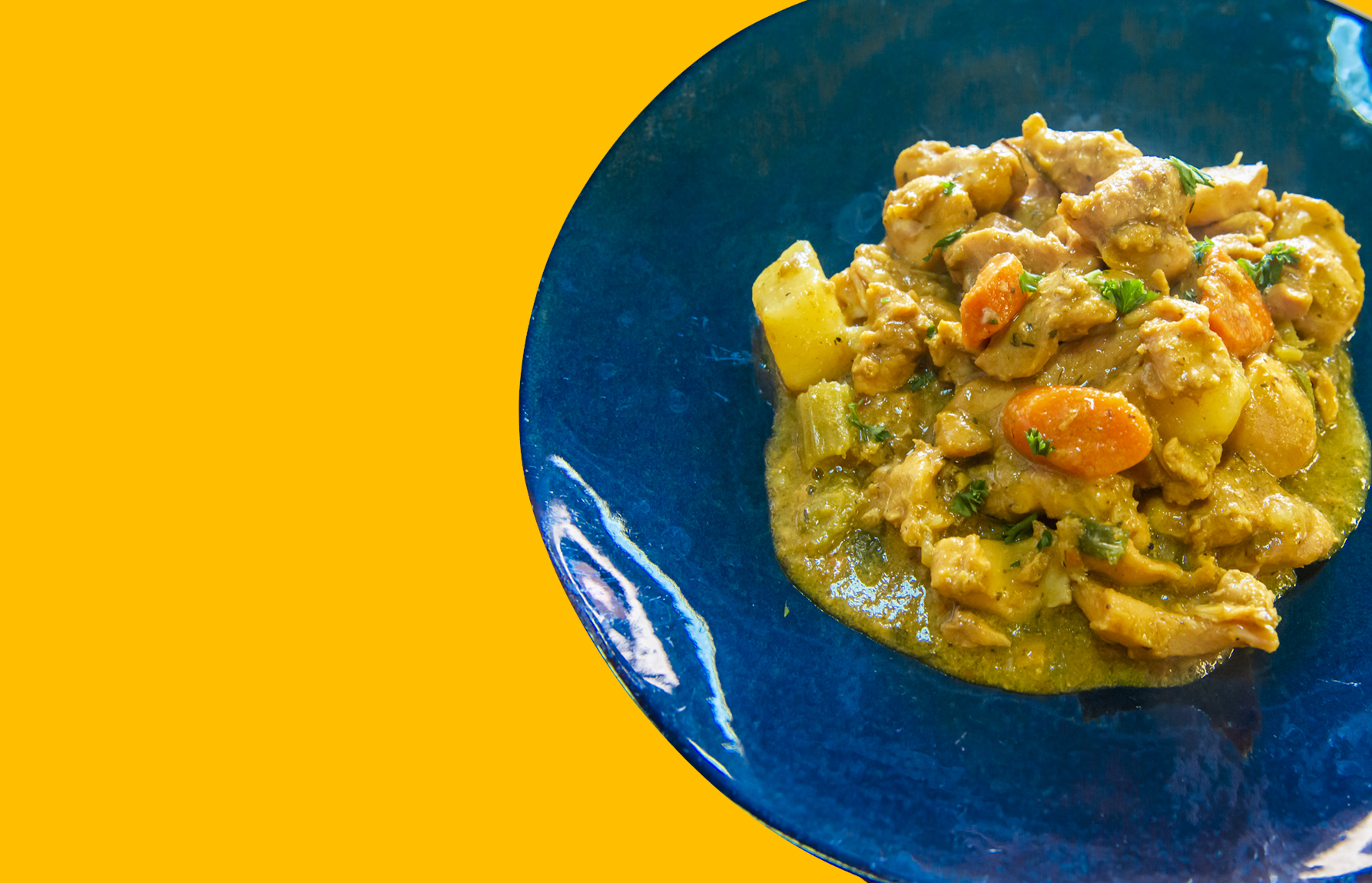
Brown stew chicken is one of the best gateway dishes for new cooks because it teaches core Jamaican principles without demanding specialty equipment. Brown the chicken well, build a savory base with aromatics, add enough liquid to braise, and finish with a sauce that tastes balanced rather than sugary. Bell peppers, carrots, onion, thyme, ketchup, and a hint of browning all show up often. It is homey food, the kind that earns repeat requests.
Fish, festivals, and the bright side of the table
An island cuisine naturally gives fish and seafood an important place, and Jamaican cooks know how to let them shine. Escovitch fish is a perfect example. Whole fried fish, often snapper, gets topped with a hot vinegar mixture of carrots, onions, bell peppers, and Scotch bonnet. The fish stays crisp underneath if served promptly, while the topping adds acid, sweetness, and heat. It is a dish that wakes up the appetite immediately.
The frying matters. Oil that is too cool leads to sogginess. Oil that is too hot darkens the exterior before the fish cooks through. A lightly scored fish, well seasoned and dusted if desired, fries evenly and carries the pickled topping better. Escovitch also benefits from restraint in the vinegar. It should sharpen the dish, not drown it.
Then there are festival and bammy, two sides that deserve attention of their own. Festival is a slightly sweet fried dough, often served with jerk meats or fried fish. Bammy, made from cassava, has a more subtle flavor and a pleasant chew, especially when soaked briefly and then pan-fried or steamed. These are not just fillers. They absorb sauce, provide textural contrast, and round out a plate in ways rice cannot.
Plantain plays a similar role. A ripe plantain fried until deeply caramelized gives sweetness that can soften spicy or salty foods. Green plantain, boiled or fried, feels sturdier and more savory. Knowing which one belongs with which dish is part of the pleasure of cooking Jamaican food well.
The breakfast table tells you a lot
One of the best ways to understand a cuisine is to look at breakfast, and Jamaican breakfast has range. Saltfish paired with callaloo, mackerel run down in coconut milk, porridge made from cornmeal, oats, banana, or peanut, and a spread of starches such as dumplings, yam, and green banana all tell the same story. This is food meant to sustain, not merely nibble at.
Callaloo deserves special mention because it often gets compared to spinach and then underestimated. Its flavor is greener, more mineral, more interesting when cooked with onion, thyme, tomato, and pepper. It holds up beautifully alongside saltfish or as a side to fried fish and ground provisions. If true callaloo is unavailable, spinach can stand in, but expect a milder result and adjust seasoning accordingly.
Porridge is another area where Jamaican instincts differ from what many people expect. It is not always shy, pale comfort food. It can be boldly spiced with cinnamon and nutmeg, enriched with condensed milk or coconut milk, and made substantial enough to carry someone through half the day. A good cornmeal porridge, stirred patiently so it stays smooth, has a kind of old-fashioned dignity to it.
How to build a Jamaican pantry at home
You do not need a giant specialty haul to start cooking Jamaican food with confidence. A small, well-chosen pantry will take you far, especially if you understand where flexibility is acceptable and where it is not.
Here are the ingredients worth prioritizing:
- Scotch bonnet peppers, fresh if possible, because their fruitiness is hard to replace.
- Thyme, scallions, garlic, ginger, and onions, the aromatic backbone of many dishes.
- Allspice, curry powder, black pepper, and nutmeg, which give the cuisine much of its signature warmth.
- Coconut milk, dried beans, rice, plantains, and cassava products when available.
- Browning sauce, saltfish, and quality hot sauce, useful for flavor and authenticity across multiple recipes.
If one item proves hard to find, adapt intelligently. Habanero can stand in for Scotch bonnet in many dishes because the heat and fruit profile are related, though not identical. Spinach can replace callaloo in a pinch. Lamb can substitute for goat. What usually fails is replacing multiple core ingredients at once and expecting the dish to remain recognizably Jamaican. Keep the flavor architecture intact even when you improvise around the edges.
What people often get wrong when they cook Jamaican food
The most frequent misunderstanding is the assumption that more spice automatically means more authenticity. Jamaican food can be fiery, but it is not supposed to be blunt. If every dish tastes only of pepper, something has gone off course. Heat should sit inside a wider field of flavor.
Another common issue is insufficient marination. Seasoning meat right before it hits the pan can still produce dinner, but not depth. Even thirty minutes helps. Overnight is often better for jerk, curry, and stewed dishes. Salt, herbs, and spices need time to do their work.
Texture mistakes come next. Overcooked ackee, waterlogged rice, rubbery chicken, mushy plantain, greasy fried fish, and broken-down vegetables are all avoidable with attention. Jamaican home cooking can be generous and relaxed, but it is not careless. There is craft in knowing when to leave a whole Scotch bonnet intact, when to bruise thyme, when to stop stirring, and when to let the pot sit covered off heat for a few minutes.
There is also a tendency to overcomplicate. Some of the best Jamaican meals rely on straightforward methods executed well. Fried fish with escovitch vegetables, rice and peas, and ripe plantain does not need ten side dishes to feel abundant. Brown stew chicken with properly cooked rice can be enough. A soup with dumplings and root vegetables can carry an evening by itself.
Bringing the cuisine into a modern home kitchen
Most people cooking at home need recipes that fit a weeknight or a modest weekend project. Jamaican food can absolutely do that. Brown stew chicken adapts well to a Dutch oven. Jerk chicken works in the oven if you finish it under high heat. Rice and peas fits neatly into a rice cooker once you understand the liquid ratio. Coconut-based fish dishes can come together in under an hour.
These are the most useful habits for getting reliable results:
- Season in layers, first on the protein, then in the cooking base, then at the finish if needed.
- Taste for balance, especially salt, heat, sweetness, and acidity, rather than chasing a single dominant flavor.
- Use whole Scotch bonnet strategically when you want fragrance without maximum fire.
- Give braises enough time, because tenderness cannot be faked at the last minute.
- Pair intense mains with simpler sides so the plate feels coherent rather than crowded.
A practical example is jerk chicken for a dinner party. Bone-in thighs are forgiving, affordable, and flavorful. Marinate them overnight, roast until nearly done, and finish on a grill or under the broiler for char. Serve with rice and peas, a cabbage slaw with lime, and fried ripe plantain. You have a menu that feels abundant, scales well, and represents Jamaican food honestly without requiring a backyard pit.
For a quieter family meal, curry chickpeas with coconut milk, thyme, garlic, and potato can echo Jamaican flavors in a more economical format. It is not a traditional stand-in for curry goat, and it should not pretend to be, but it respects the spice profile and the cuisine’s love of hearty, https://brookstnnh456.focalledger.com/posts/jamaican-food-essentials-dishes-everyone-should-know saucy dishes served over rice.
Why these dishes travel so well
Some cuisines lose part of themselves when they leave home. Jamaican food tends to travel with remarkable strength because its identity is tied to methods and seasoning structures as much as to geography. Smoke, thyme, pimento, pepper, coconut, pickling, slow braising, frying, and starch pairings can all be recreated with reasonable fidelity in a home kitchen thousands of miles from the island.
That does not mean every recreation is equal. Environment matters. So do ingredients. A snapper bought that morning from a coastal market will always have a different life than frozen fillets cooked inland in winter. But the soul of the cuisine is resilient. When the seasoning is thoughtful and the cooking is attentive, the food still carries warmth, color, and generosity to the table.
Perhaps that is why Jamaican food continues to resonate so strongly beyond the Caribbean. It gives people what they usually want from a shared meal: intensity without chaos, comfort without dullness, and enough personality to make the evening memorable. It invites appetite. It rewards patience. And when it is cooked with care, it does exactly what the best regional cooking should do, it tells you where it comes from while making you feel instantly welcome.
Reggae Pot Jamaican Grill
2243 S Monaco St Pkwy #104
Denver, CO 80222
+1 720-410-2956
FAQ About jamaican food
What is the best Jamaican food to try in Denver?
The best choice depends on your tastes. Popular options include jerk chicken, curry goat, slow-cooked oxtail, and savory patties. Reggae Pot lists these dishes on its menu, with sides such as rice and peas and plantains. Ask the Denver team about current availability and spice levels.
Is Jamaican food very spicy in Denver?
Heat varies by dish and preparation. Jerk seasoning often includes scotch bonnet peppers alongside herbs and allspice, while other dishes may have gentler seasoning. Ask about the heat of the specific dish and any sauce before ordering.
What are some popular Jamaican snacks?
Jamaican patties are a popular snack made with flaky pastry and savory meat or vegetable fillings. Other options include fried dumplings and festival, a sweet fried dough often served with savory dishes. Availability varies, so check the current menu when ordering.